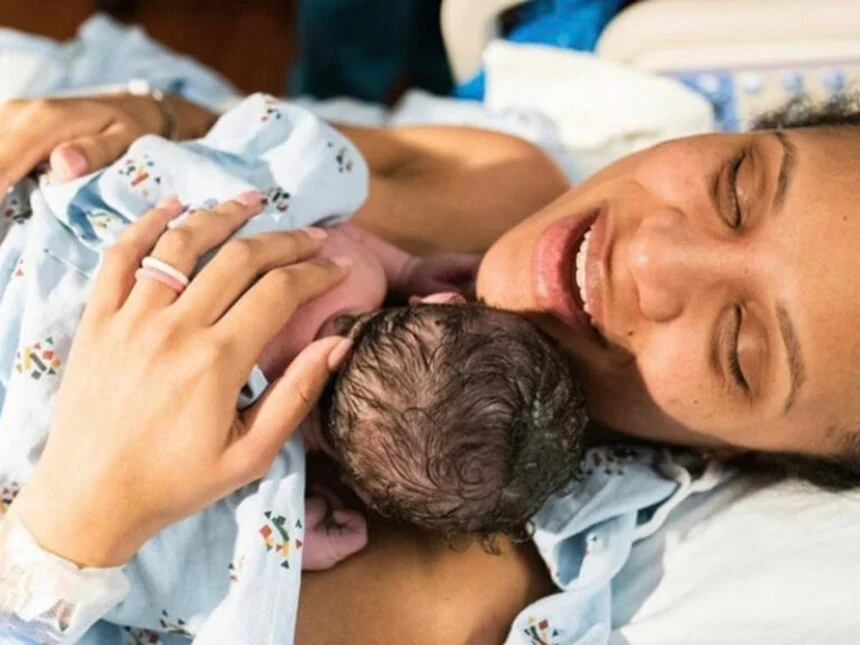
For generations, breastfeeding has been regarded primarily as the natural way to feed a newborn. But breast milk represents much more than nourishment; it is the foundation for healthier children, stronger families, improved national productivity and sustainable development.
The President of the Paediatric Association of Nigeria (PAN), Prof. Petronila Tabansi, said breastfeeding is far more than child nutrition but the first investment in building the country’s future.
She said the conversation must move beyond viewing breastfeeding simply as a maternal responsibility. Instead, she believes it should be recognised as one of the country’s most valuable investments in human capital.
According to her, this year’s World Breastfeeding Week theme, “Breastfeeding for a Sustainable Start in Life: Strengthen What Works,” speaks directly to that reality.
“It is true that investing in breastfeeding by doing whatever it takes to make sure it is happening can yield enormous returns in human capital development,” she said.
The paediatrician noted that the cost of not breastfeeding is enormous, with far-reaching health, economic and environmental consequences.
Although many people associate breastfeeding with simply satisfying a baby’s hunger, Prof. Tabansi argued that breast milk offers far more than nutrition.
She explained that exclusive breastfeeding during the first six months of life, followed by continued breastfeeding for up to two years or beyond, strengthens immunity, supports brain development and protects children against common childhood illnesses.
According to her, the benefits of breastfeeding extend well beyond infancy. Children who are breastfed are less likely to develop obesity and other lifestyle-related diseases such as hypertension and diabetes later in life. They are also less prone to allergies and recurrent infections.
“Breast milk is best. The components of breast milk cannot be overemphasised. It improves cognition, and once cognition is improved, you are going to have good quality human beings. People become productive members of society,” she explained.
For Prof. Tabansi, better nutrition during infancy ultimately translates into stronger economic development. Healthier children require fewer hospital visits, perform better academically and grow into adults who contribute more effectively to the nation’s workforce.
Rather than introducing entirely new programmes, Prof. Tabansi believes Nigeria should focus on strengthening interventions that have already proven successful, particularly breastfeeding counselling during antenatal care.
She explained that pregnancy provides healthcare workers with an important opportunity to prepare expectant mothers for exclusive breastfeeding before delivery.
Doctors, nurses and other healthcare professionals remain trusted sources of health information, making antenatal clinics ideal settings for educating women on the benefits of breastfeeding.
According to her, consistent counselling has significantly improved the uptake of exclusive breastfeeding among mothers.
She also identified the Baby-Friendly Hospital Initiative (BFHI) as another indispensable intervention. The initiative encourages hospitals to ensure babies are breastfed shortly after birth, remain with their mothers, feed on demand and are protected from unnecessary exposure to breast milk substitutes.